Critical Components to Enhance the Effectiveness of Telepresence Technologies
Remote communication platforms have become an critical instrument for companies, educational institutions, and teams aiming to preserve connectivity and partnership across locations. To achieve these platforms operate effectively, numerous technical and operational components must be strategically considered. The basis of successful remote interaction depends on advanced hardware, such as quality recording devices, clear sound setups, and reliable monitors. These elements guarantee that attendees can observe and perceive each other with precision, which substantially impacts attention and comprehension. In addition, the integration of enhanced voice systems and sound-filtering tools supports reduce ambient noise, supporting sessions and online discussions to proceed efficiently.
Similarly important is the internet system that underpins virtual presence systems. Reliable internet connections with low delay are vital for ensuring smooth video and sound streams. Companies must also deploy secure networking standards to protect critical details during remote interactions. Traffic control and backup connections additionally ensure system reliability, avoiding interruptions that can impact productivity. By focusing on reliable and resilient internet links, remote interaction solutions can maintain optimal performance that meets the requirements of both presenters and participants.
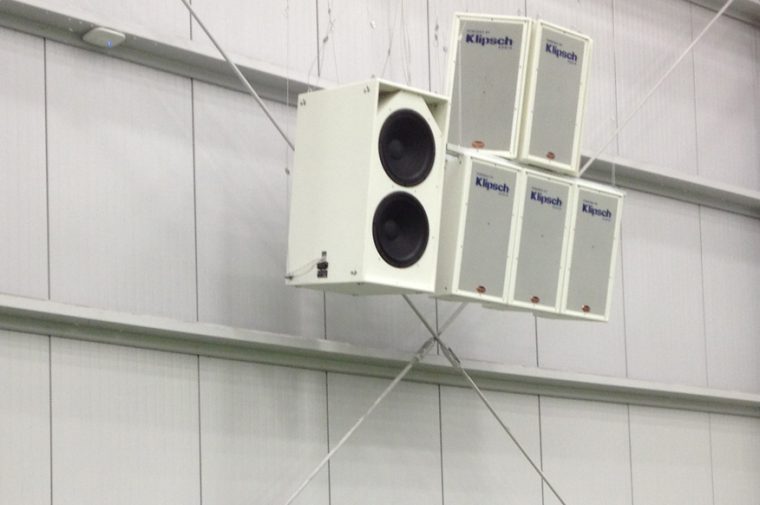
Software and system capabilities are critical in enhancing remote interaction. advanced sound system installation Capabilities such as live co-working, display sharing, and interactive boards enable participants to interact more productively. Accessible interfaces are also important, helping participants with diverse experience to interact smoothly. Integrations with time-management platforms, task management tools, and data platforms can enhance virtual meetings and avoid the requirement for extra steps. Collectively, these platform tools strengthen the user experience, making remote communication more than just a conference but a fully interactive collaborative environment.
Participant aspects and guidance are often neglected but are critical to the effectiveness of remote interaction tools. Participants must be aware of standards for video setup, lighting, and microphone use to improve clarity and audibility. Guides can also prepare users with software features, enabling them use complex interfaces smoothly. Promoting proper etiquette during online interactions, such as silencing when not talking and maintaining eye go to this website contact with the camera, promotes participation and professionalism. By integrating hardware and software preparation with user education, entities can enhance the impact of their virtual communication systems.
Finally|Ultimately|In conclusion, regular monitoring and enhancement are necessary to maintaining telepresence effectiveness. Collecting responses from participants, observing platform functionality, and regularly updating devices and software components support that the system continues to be effective and stable. Analytical tools can assist pinpoint persistent problems, while enhancements in tools can introduce new features that improve virtual interaction. By focusing on continuous improvement and upgrades, companies can deliver a effective remote collaboration environment, strengthening collaboration, joint efforts, and productivity across virtual participants.